
Dubai advertises yields more openly than most markets, and the figures quoted are almost always gross: annual rent divided by purchase price. It is a useful starting point and a poor decision tool, because it ignores the three things that determine what you actually keep.
The three deductions that reorder the table
Service charges. These vary enormously, from roughly AED 10 per square foot in simple mid-market buildings to well above AED 30 in branded or heavily amenitised towers. On a small unit, a high service charge can consume a fifth of gross rent. Two apartments advertising identical 8% gross yields can land two percentage points apart on a net basis purely because of this.
Void periods. A unit that sits empty six weeks between tenancies loses more than a tenth of its annual income. Communities with transient tenant bases turn over faster, and buildings with poor management take longer to re-let.
Maintenance and management. Budget for agency letting fees, routine repairs and periodic refurbishment. On older stock this is not a rounding error.
Where the high gross yields sit
The strongest gross yields in Dubai cluster in the affordable apartment districts: Jumeirah Village Circle, Arjan, Dubai Silicon Oasis, Academic City, Dubai Sports City and parts of Dubailand. Figures of 7% to 8.5% are genuinely achievable there. Entry prices are low, tenant demand from young professionals is deep, and the product is simple to let.
The catch in almost all of these is supply. These are the same districts absorbing the largest volumes of new completions, which caps rental growth and means your unit competes against dozens of near-identical alternatives at renewal. High yield today does not guarantee high yield in three years if a thousand comparable units complete nearby.
Where lower yields can beat higher ones
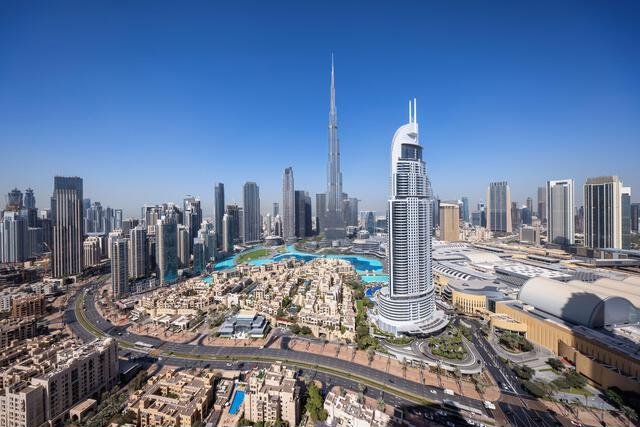
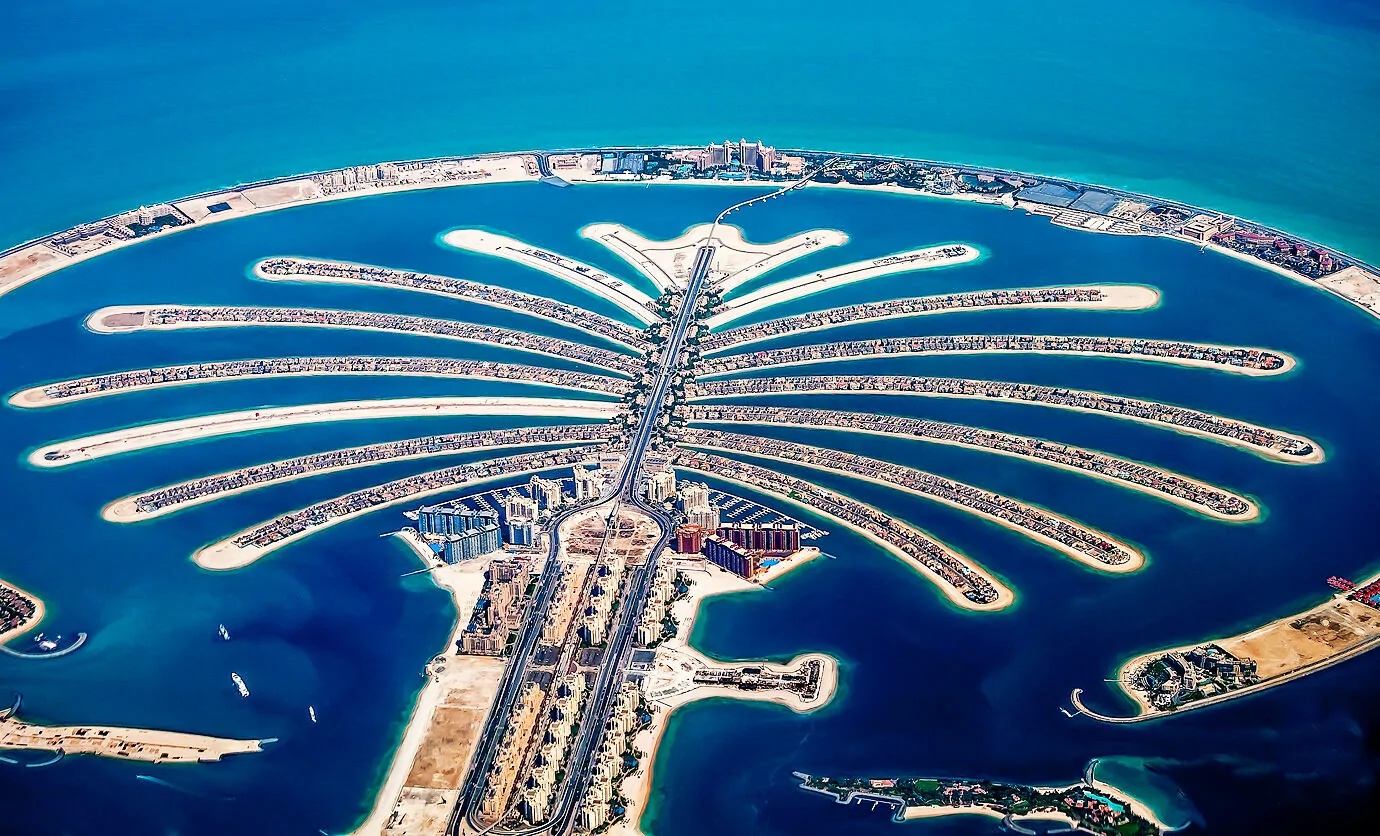
Central and prime communities such as Business Bay, Downtown, Dubai Marina and Palm Jumeirah typically produce 5% to 6.5% gross. That looks unattractive next to 8%, but they compensate in ways the yield figure hides: shorter void periods, stronger tenant covenants, better liquidity when you sell, and materially better capital performance across the last cycle. Total return, not rental yield, is what you eventually bank.
Family villa communities like Dubai Hills Estate and Tilal Al Ghaf sit lower still on yield, often 5% to 6.5%, but tenants stay for years rather than months, which all but eliminates void risk.
Short-term letting changes the calculation
In tourist-facing locations, holiday letting can lift returns well beyond long-let levels, particularly in Downtown, Marina, Palm Jumeirah and increasingly on Dubai Islands and Al Marjan Island. It also introduces operating costs, seasonality and regulatory dependency. Confirm the building permits short lets before you model any of it, because many explicitly do not.
What we would check before buying for yield
- The building's actual service charge per square foot, in writing, not the district average.
- Two years of real rental history for comparable units in the same tower.
- How many competing units are due to complete within a kilometre before your third year.
- Whether the service charge includes a funded reserve for major works, or whether owners get levied later.
A 6.5% yield you keep is worth more than an 8% yield you were quoted.