
Every Dubai launch now arrives with a long amenity list: infinity pools, padel courts, cinema rooms, co-working lounges, yoga decks, sometimes an artificial beach. Buyers reasonably assume more is better. In resale and rental terms, the evidence is more selective, and every amenity carries an ongoing cost that owners fund through service charges forever.
Amenities that consistently support value
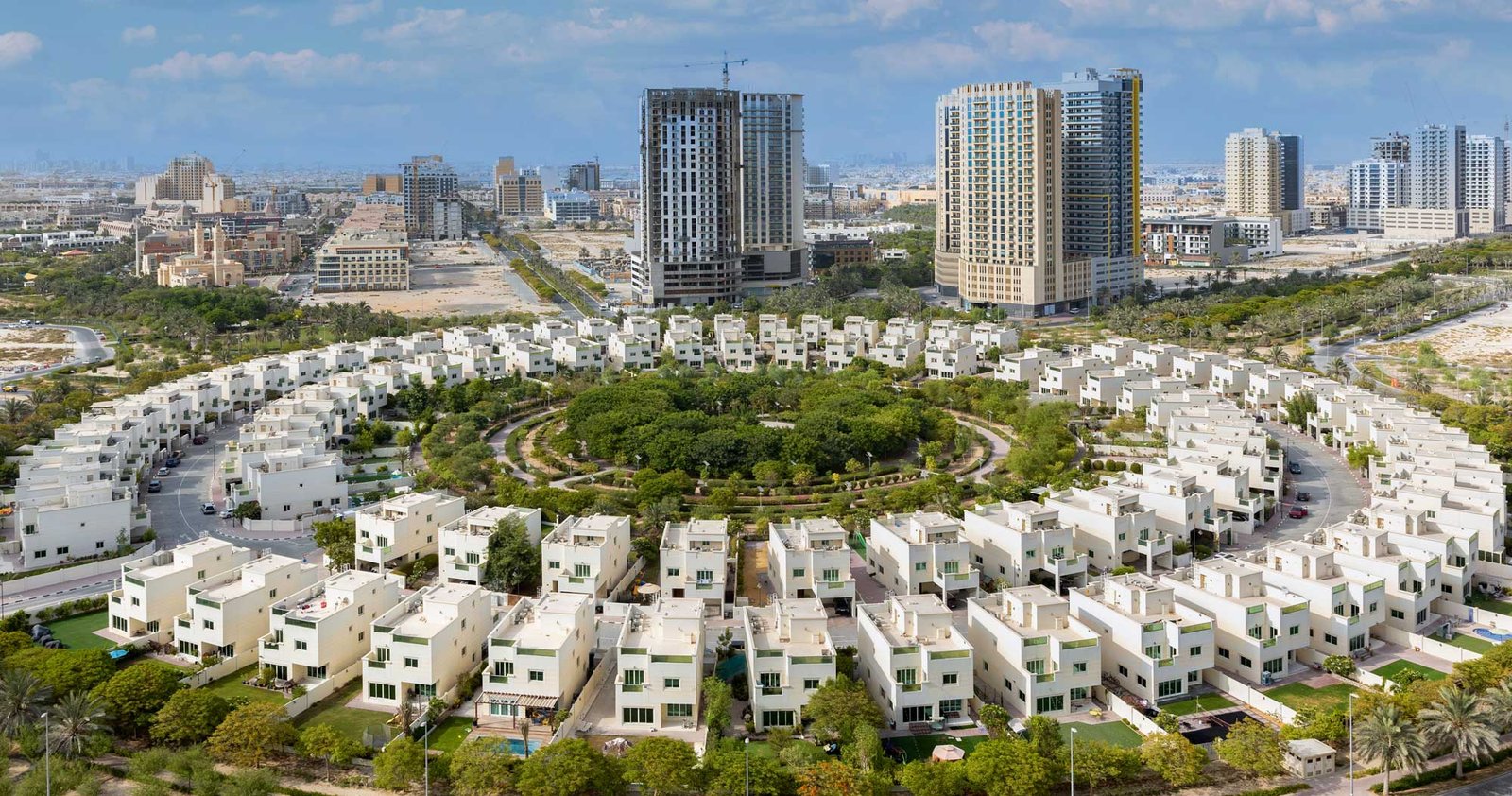
Schools within or adjacent to the community. The most reliable value driver we see. Families accept a premium and stay for years, which supports both price and occupancy. Dubai Hills Estate and Tilal Al Ghaf demonstrate this clearly.
Genuine retail and a supermarket within walking distance. Reduces car dependency and is used daily by every resident. Circle Mall materially improved JVC's proposition.
Real green and open space. Parks, running loops and cycle paths are used constantly, cost relatively little to maintain per resident and are almost impossible to retrofit. This is where Dubai Hills and Tilal Al Ghaf earn their premium.
Metro access. Where it exists, it shows up in both rent and price. Al Furjan's Route 2020 stations are the clearest recent example of a community repricing around transport.
Healthcare nearby. A clinic or hospital within a short drive matters more to families than any leisure facility.
Amenities that rarely justify their cost
Cinema and games rooms. Heavily featured in marketing, lightly used in practice, and a continuing maintenance line.
Multiple pools in a single mid-size building. One well-maintained pool serves residents better than three that stretch the budget.
Novelty features such as artificial rain rooms, snow rooms and similar. They generate launch attention and then generate service charges.
Over-provisioned gyms in small buildings, where the equipment ages faster than it is replaced.
The pattern is straightforward: amenities used daily by most residents support value. Amenities used occasionally by a few residents transfer cost from the developer's marketing budget to the owners' annual bill.
The service charge test
Before paying a premium for an amenity-rich building, ask what the service charge is per square foot and compare it against a simpler building nearby. If the difference is AED 8 per square foot on a 1,000 sq ft apartment, that is AED 8,000 a year, every year, whether you use the padel court or not. Over a ten-year hold that is AED 80,000. Would you pay that separately for the amenity set? Often the honest answer is no.
What tenants actually ask about
From our letting experience, the recurring questions are parking, whether the building is well managed, proximity to a supermarket and a school, cooling costs, and lift reliability. Very few prospective tenants ask about the cinema room. Buildings that get the basics right let quickly and consistently; buildings with impressive amenity lists and poor management do not.
The practical filter
- Prioritise amenities that are used daily and cannot be retrofitted: location, transport, schools, parks, retail.
- Discount amenities that are expensive to maintain and infrequently used.
- Always price the amenity set against the service charge it creates.
- Weight management quality above amenity quantity, because a well-run simple building outperforms a badly run luxurious one.